Nine isolated Shompen died in tsunami
November 25, 2005
This page was created in 2005 and may contain language which is now outdated.
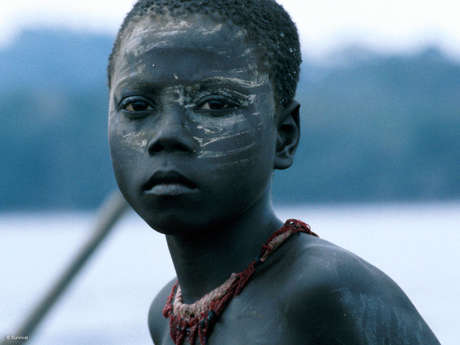
Officials on the Nicobar Islands have confirmed that nine members of the isolated Shompen tribe died in the 26 December tsunami last year.
The Shompen are hunter-gatherers who have only very limited contact with outsiders. Their population in the last census of 2001 was only 398. The nine who died in the tsunami are thought to have been on the coast of Great Nicobar Island at the time, while the rest of the tribe were safe in the forests of the interior of the island.
The Nicobar Islands lie in the Indian Ocean close to the Andaman Islands, home of the Jarawa, the Sentinelese, the Onge and the Great Andamanese tribes, who are believed to have survived the tsunami without casualties.
The Nicobar Islands were closer to the epicentre of the 26 December tsunami than the Andaman Islands. There were many deaths among the Nicobarese tribe, who are larger in number and more assimilated than the other tribes of the islands. The tribes of the Andaman Islands hit the headlines after the Onge, who live on the coast, saw the sea recede and knew to flee to safety. The Jarawa tribe, who have only in recent years started to have contact with the outside world, survived the tsunami intact but are now under threat from settlers and poachers invading their land.