'We learn with the great spirits'
For the Yanomami of the Brazilian Amazon, the spirit world is a fundamental part of life; this gallery depicts the world of the Yanomami shaman. Yet the Yanomami face huge problems. The shamans cannot cure the diseases imported by goldminers and cattle ranchers, and the eastern fringe of their rainforest is being deforested.
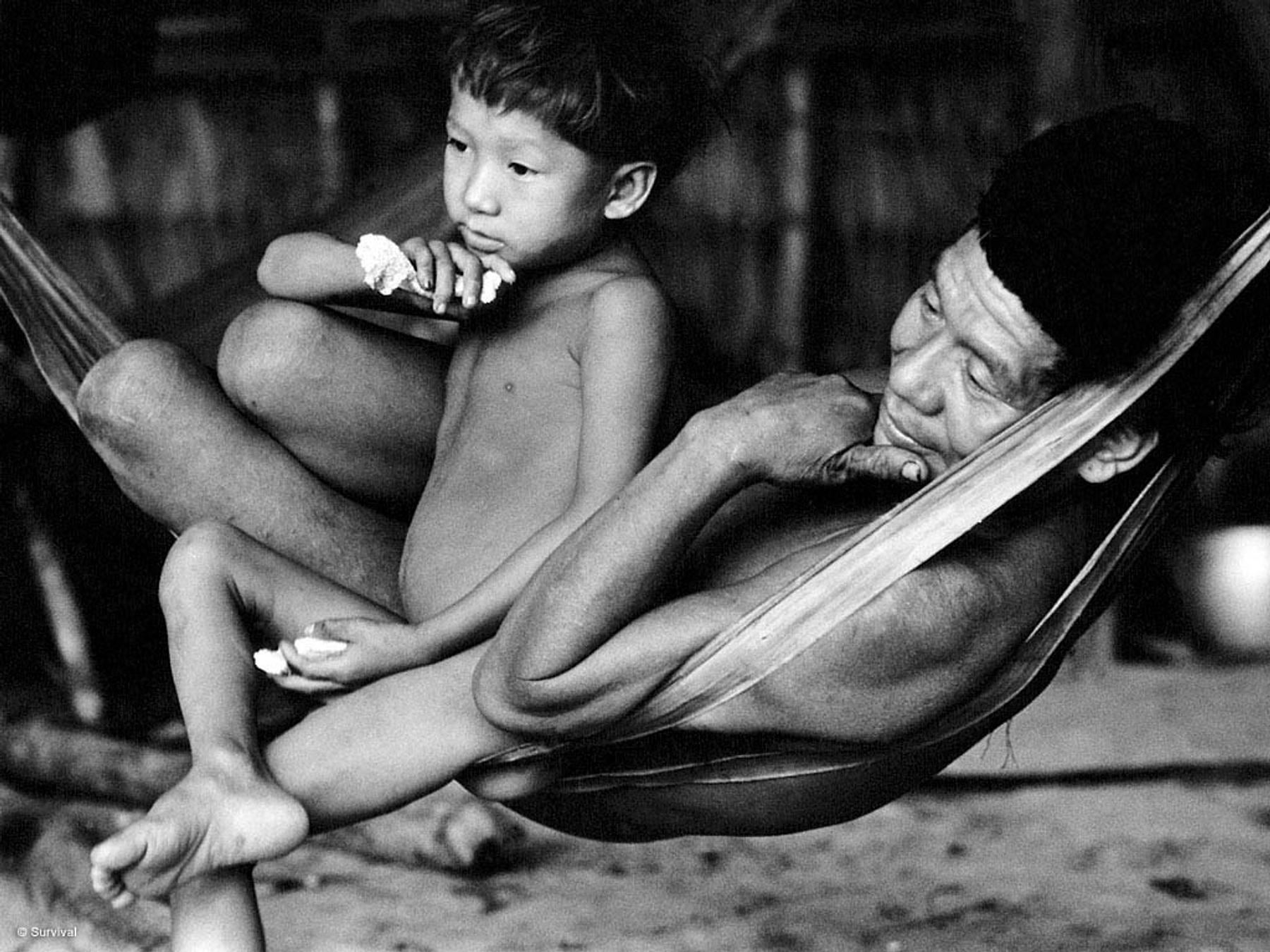
© Victor Englebert/Survival
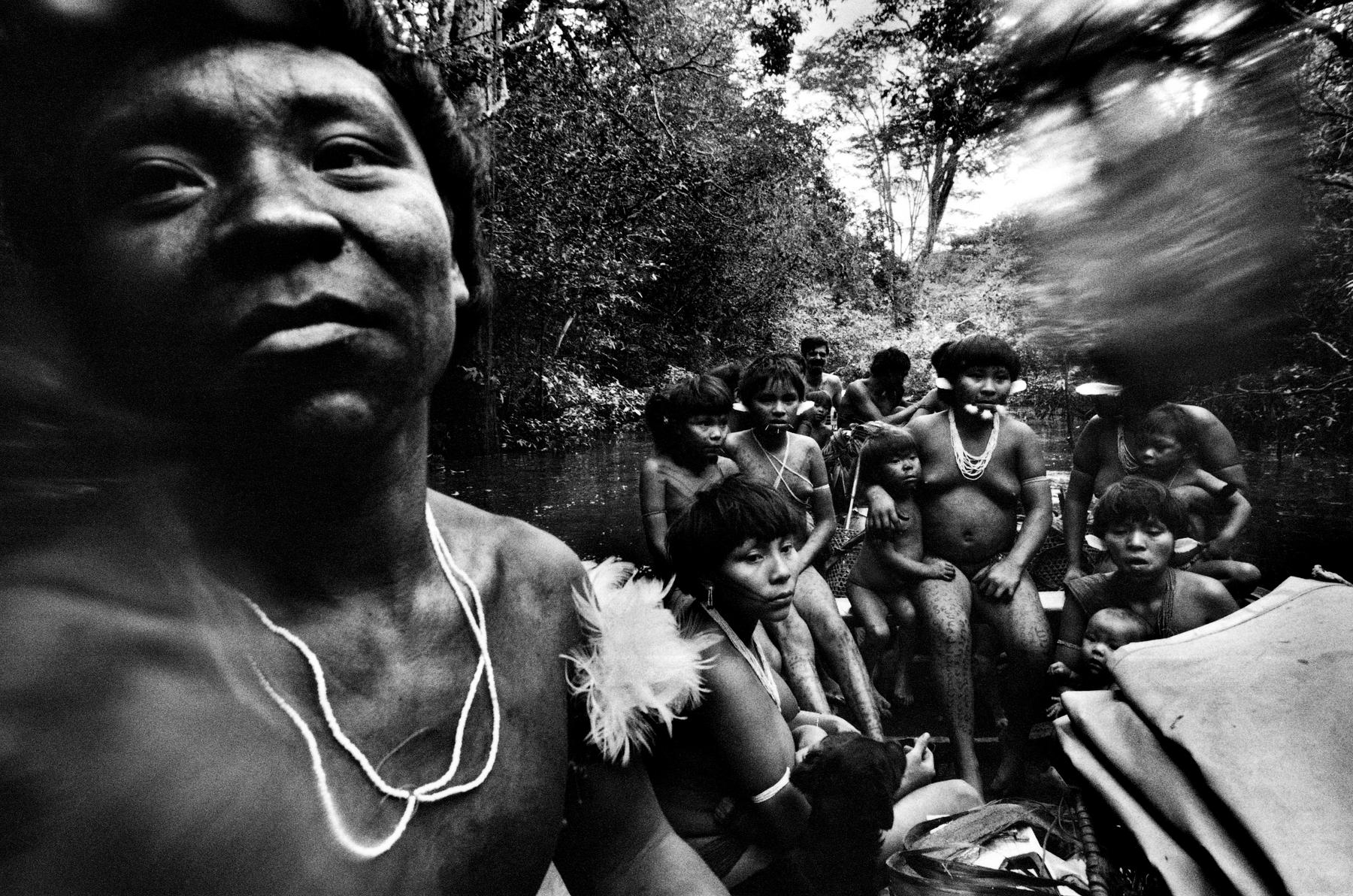
Yanomami shamans have many roles. They are variously healers, custodians of their peoples’ sacred rituals, weather diviners, cosmologists, dream tellers and keepers of botanical knowledge. Yanomami shamans (xapiripë thëpë) are guided by spirits (xapiripë) and the wisdom of their ancestors.
© Claudia Andujar/Survival
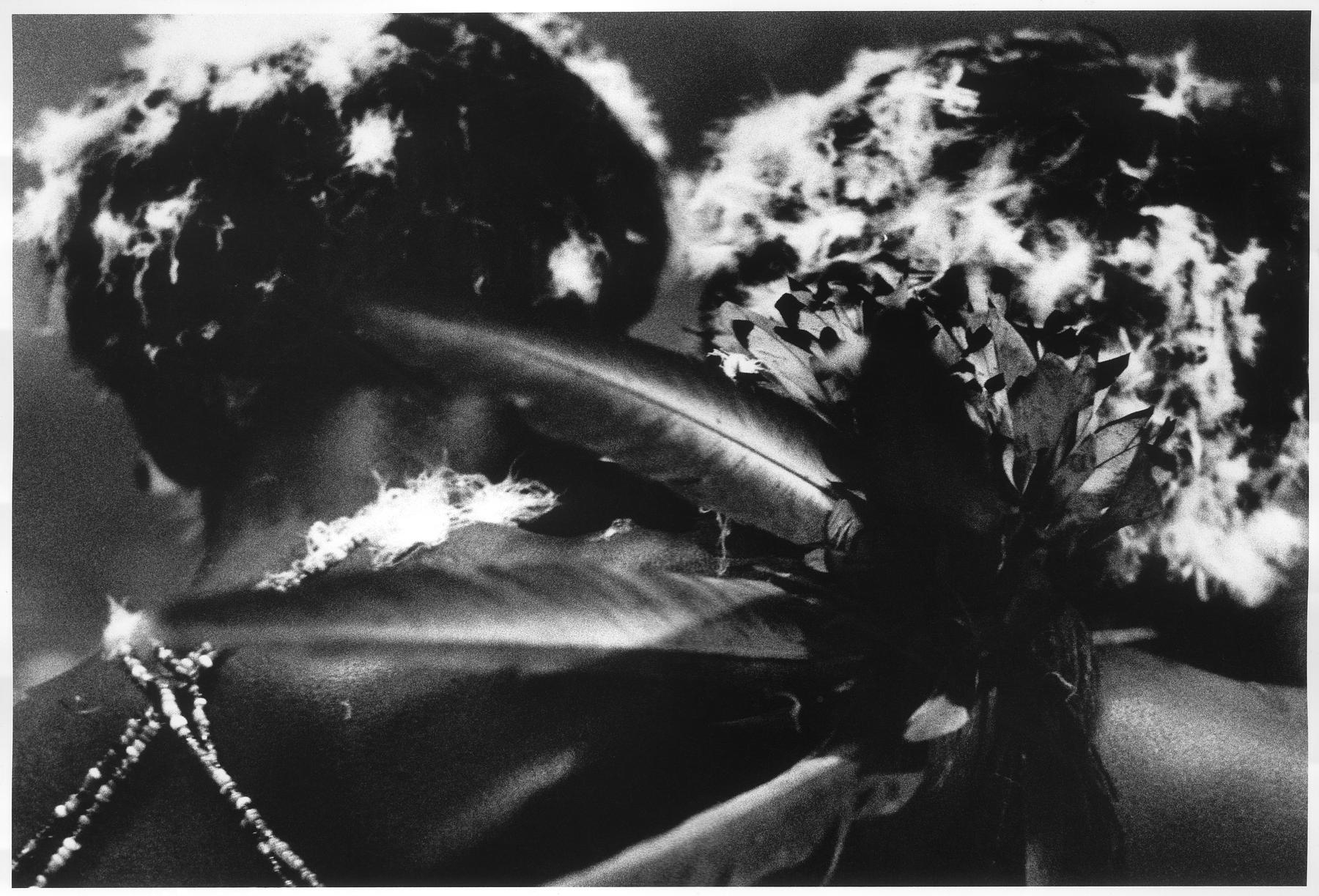
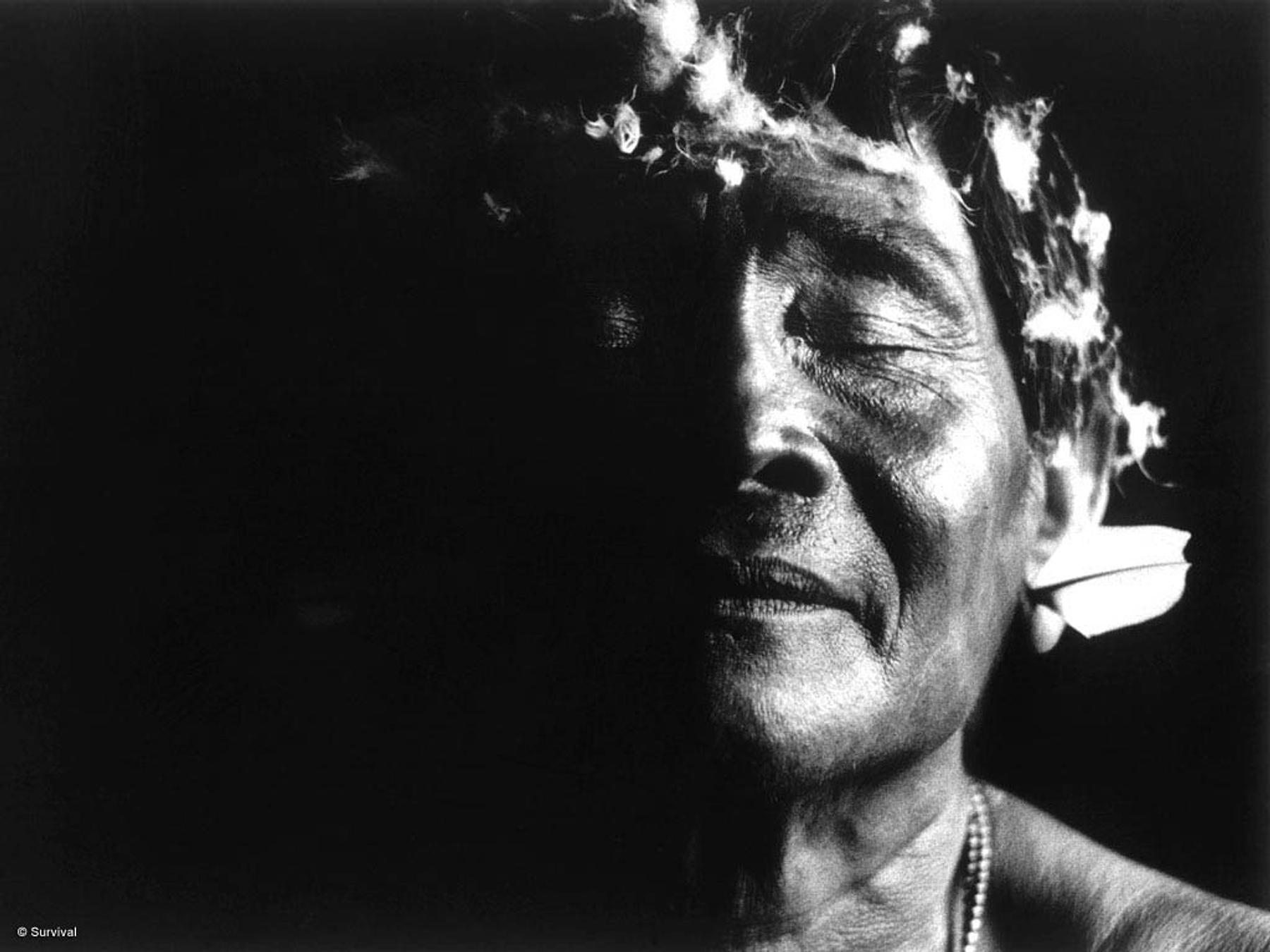
Through dreams and trances, Yanomami shamans transcend the physical confines of their bodies and the limits of the human consciousness to commune with the xapiripë.
We Yanomami learn with the great spirits, the xapiripë. We learn to know the xapiripë, how to see them and listen to them. Only shamans – those who know the xapiripë – can see them, because they look like humans but are tiny as specks of sparkling dust and bright like light.
Their songs are powerful, and their thinking is straight.
© Claudia Andujar/Survival
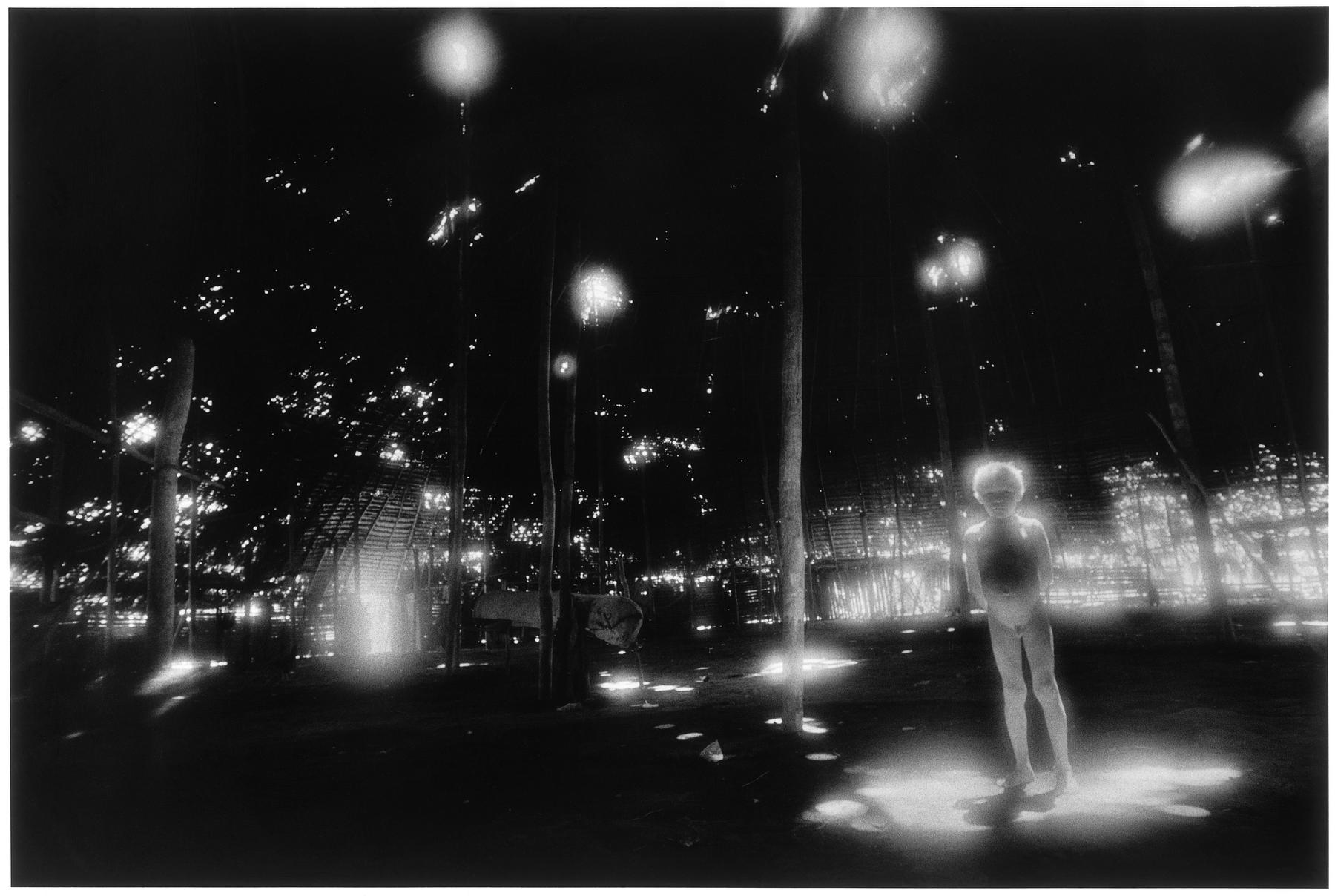
Davi first saw xapiripë as a child, and continued to see them in his sleep as he grew up. Only when he became an adult did he ask to be initiated as a shaman.
When for the first time you sniff the powder produced from the yakoana tree, xapiripë spirits begin to gather around you.
First, you hear from afar their chants of happiness, faint as the hum of mosquitoes. Then you begin to see scintillating lights trembling up high, coming from every direction in the sky.
Gradually the spirits reveal themselves, advancing and retreating with very slow steps.
© Claudia Andujar/Survival
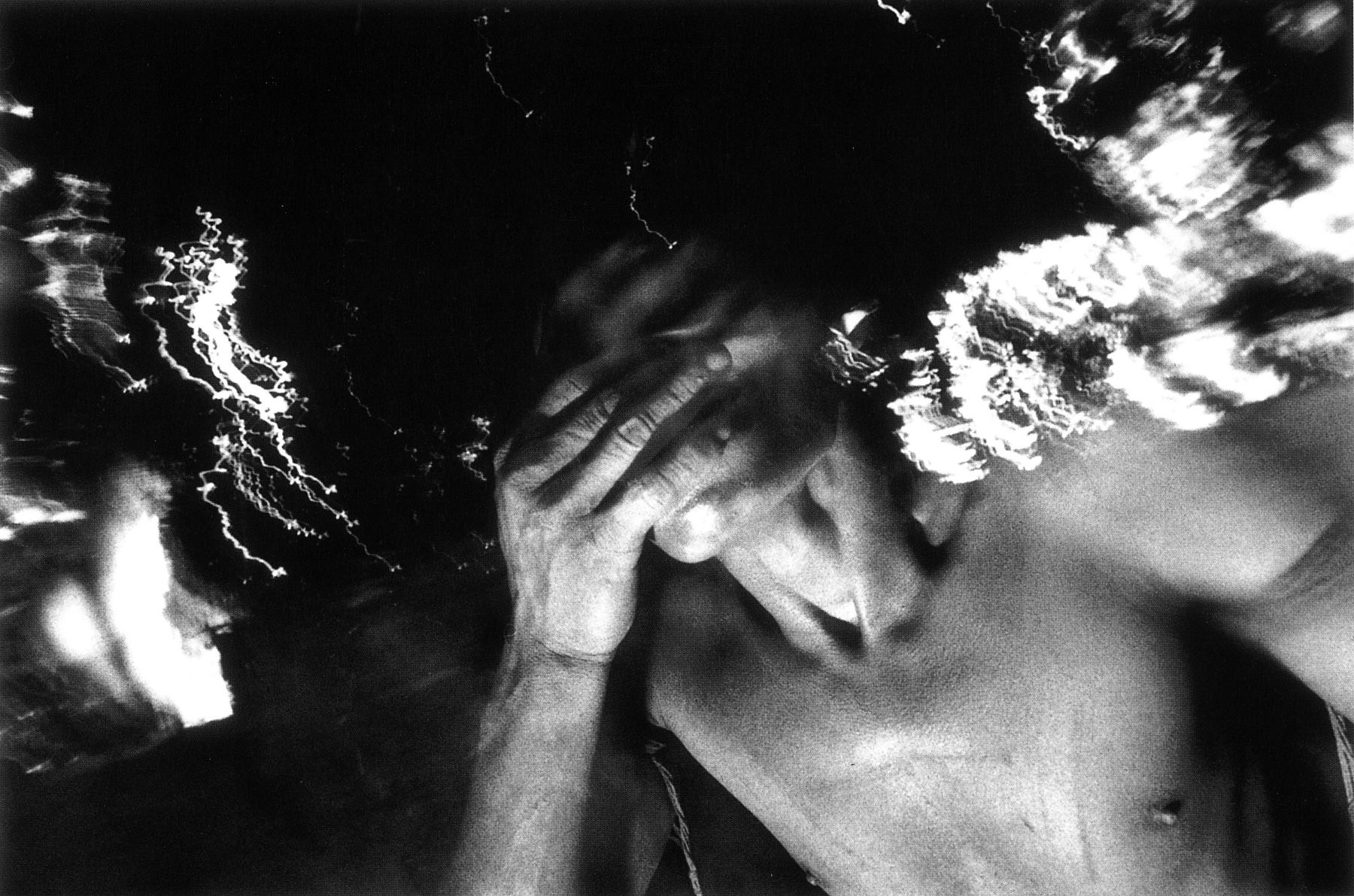
Yanomami shamans inhale the yakoana powder, extracted from the bark of the virola tree, in order to enter a dream state. The powder is adminstered through a long horoma tube, traditionally made from the hollowed stem of a palm tree. This is how we make the spirits dance, says Davi.
There are many, many xapiripë, not just a few, but thousands, like stars. Some live in the sky, some live under the ground and others live in the high mountains which are full of forests and flowers. We call these sacred places ‘hutu pata’.
When the sun is high in the sky, the xapiripë sleep. At dusk, they begin to appear.
When we are sleeping, they are dancing.
© Claudia Andujar/Survival
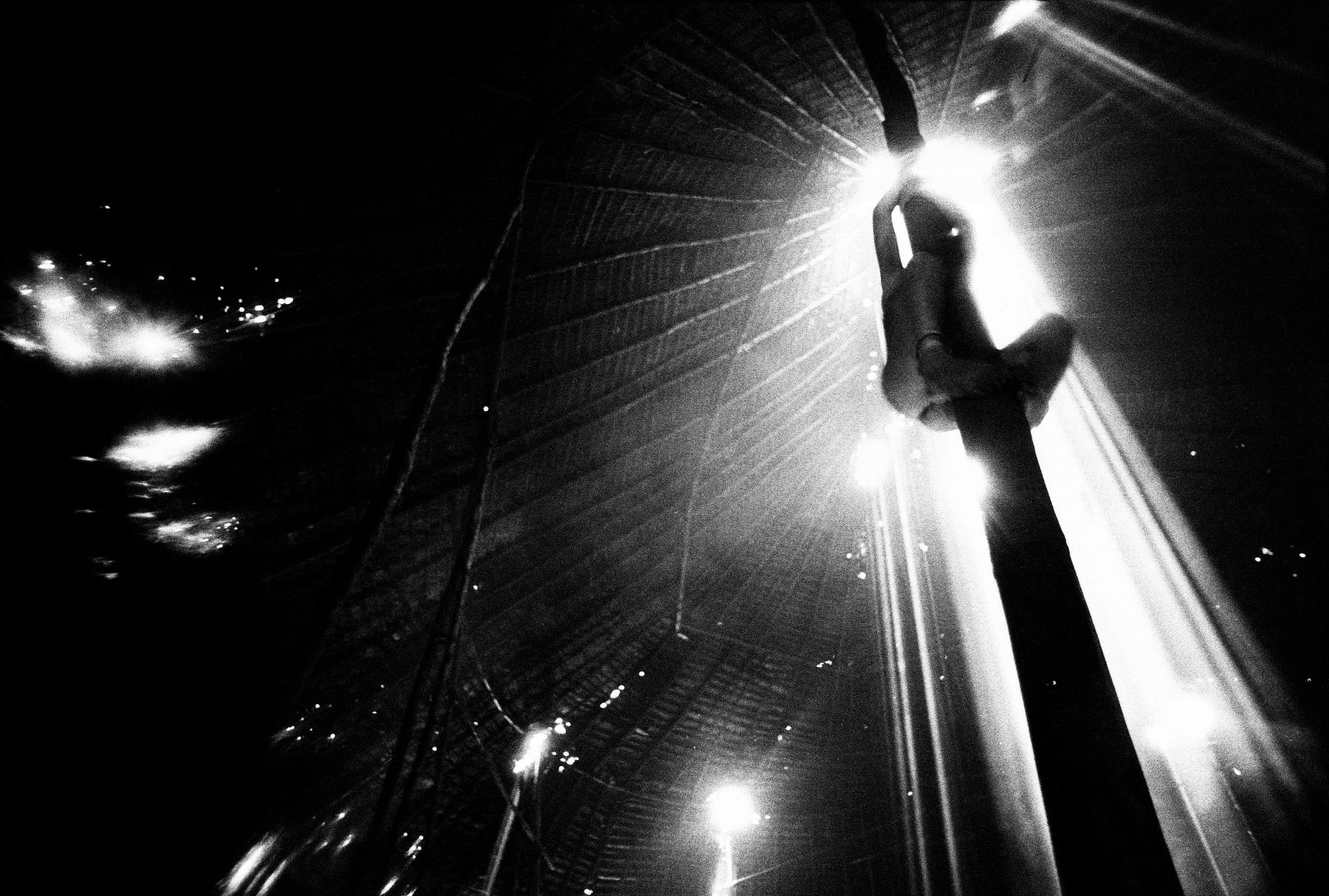
The xapiripë descend to us on threads as fine as a spider’s web.
They are beautiful, painted with bright colours and urucum (annatto).
Their armlets are decorated with macaw and parrot feathers. They dance very beautifully and sing differently. There are different songs: the song of the macaw, of the parrot, of the tapir, of the tortoise and of the eagle.
© Claudia Andujar/Survival
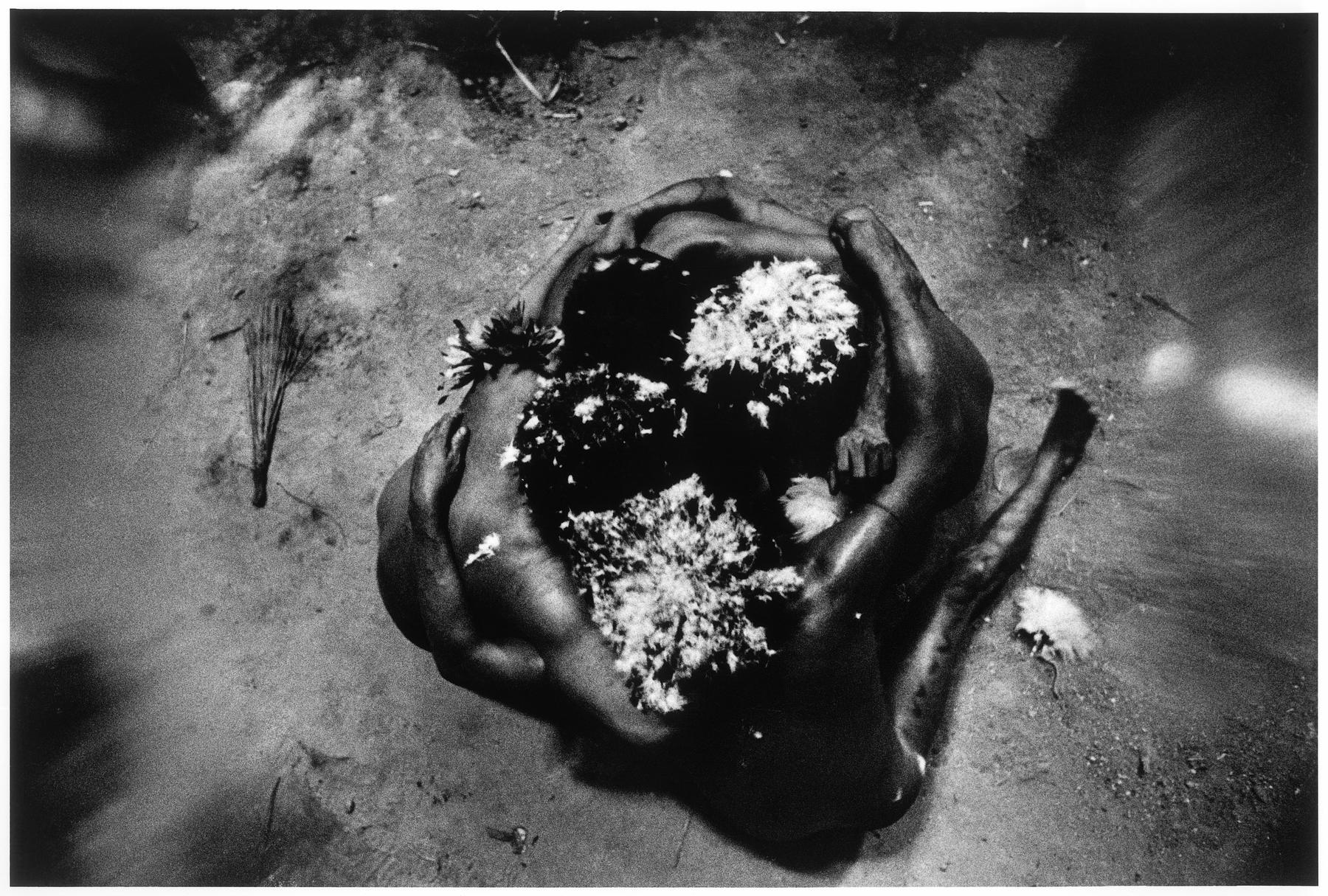
The xapiripë have danced for shamans since the very beginning of time, and they continue to dance today.
Their heads are covered with white hawk down, and they wear black bands made of monkey tails and turquoise cotinga feathers in their ears.
They dance in a circle, unhurriedly.
© Claudia Andujar/Survival
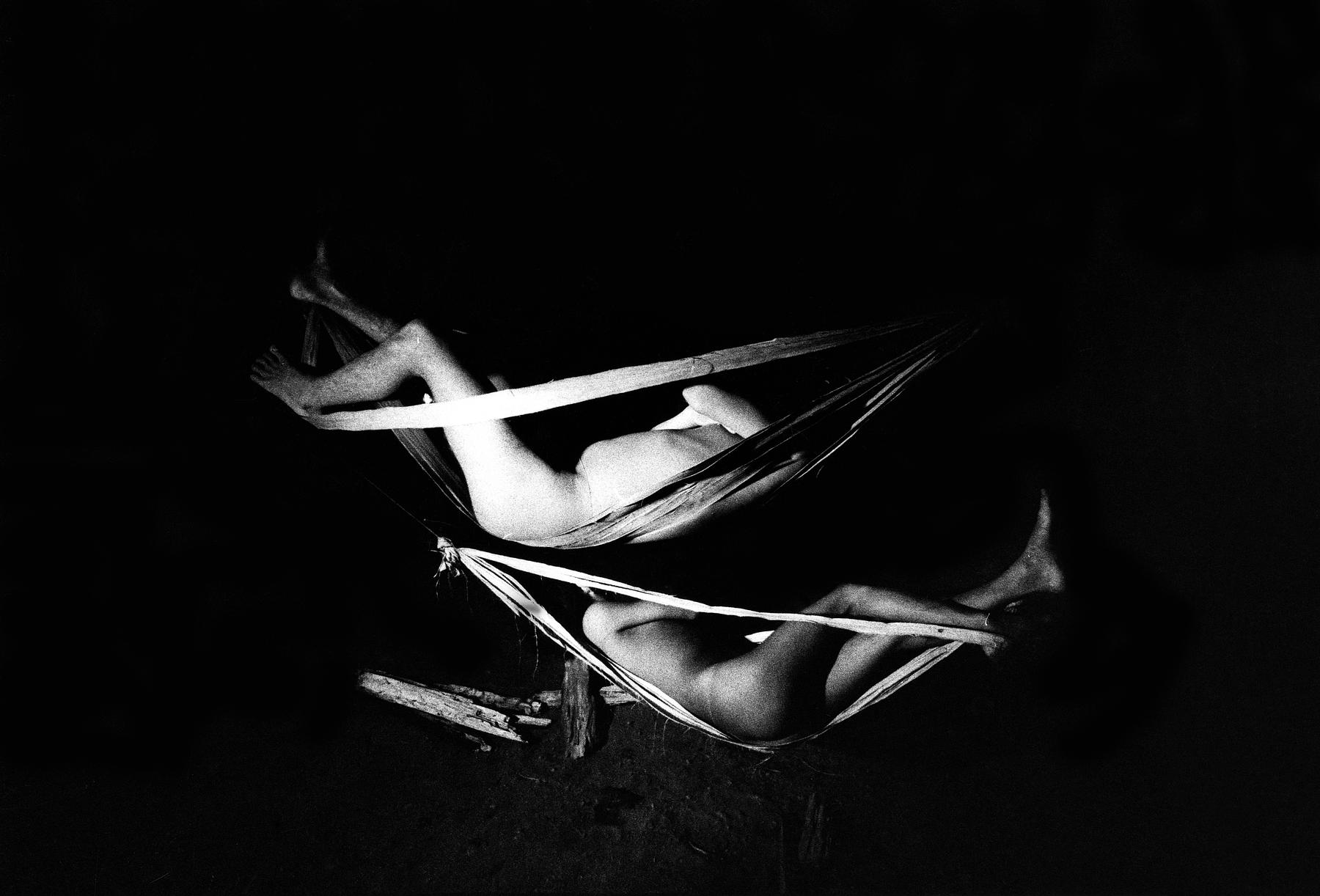
To the Yanomami, each person has an ‘image-essence’, a double called a utupë, to which they are joined until death.
A utupë can present itself in the image of many different living creatures, including a bird, mammal or insect. There are also spirits of trees, waterfalls and wild honey.
One by one the spirits arrived. The toucan spirits arrived with their big ear sticks and bright red loin cloths, describes Davi. The hummingbird people arrived and flew around. The moka frog spirits were there with quivers of arrows on their backs. Then came the peccary spirits, the bat people and the spirits of the waterfall.
My soul began to shine.
All came and slung their hammocks in my chest.
© Claudia Andujar/Survival
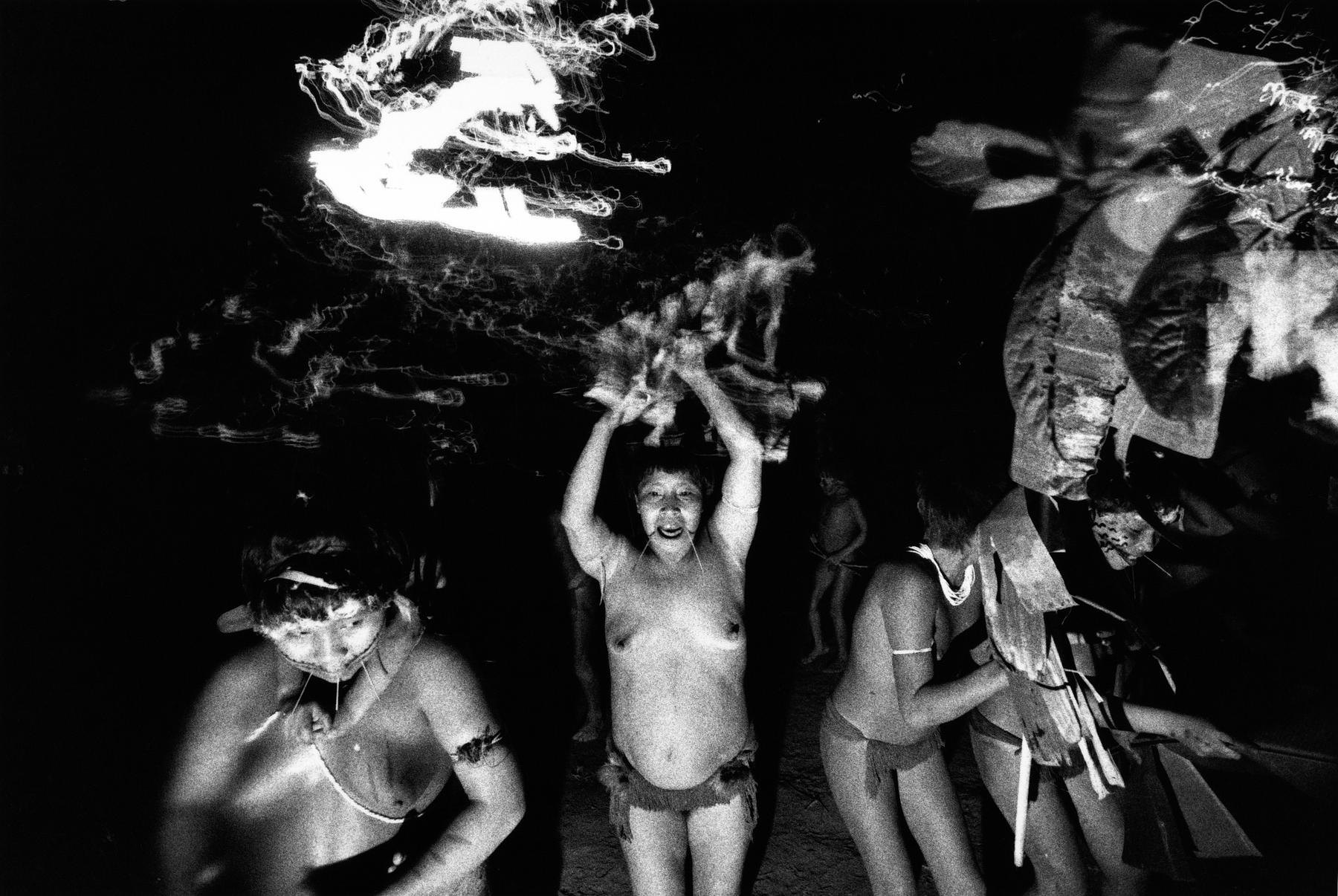
Yanomami shamans also enlist the help of xapiripë to cure human illnesses. Diagnosing and detecting diseases takes years of shamanistic experience.
They also use different medicinal plants to treat fevers, stomach-aches, muscular pains and other ailments. In general, every ailment has its cure, except for diseases that have been brought in by outsiders, to which the Yanomami have little immunity.
If the xapiripë didn’t exist, we would no longer be alive. The evil spirits would have devoured us long ago. They know about the illnesses that afflict us. They throw the disease far away, into the underworld.
And so they cure us.
© Claudia Andujar/Survival
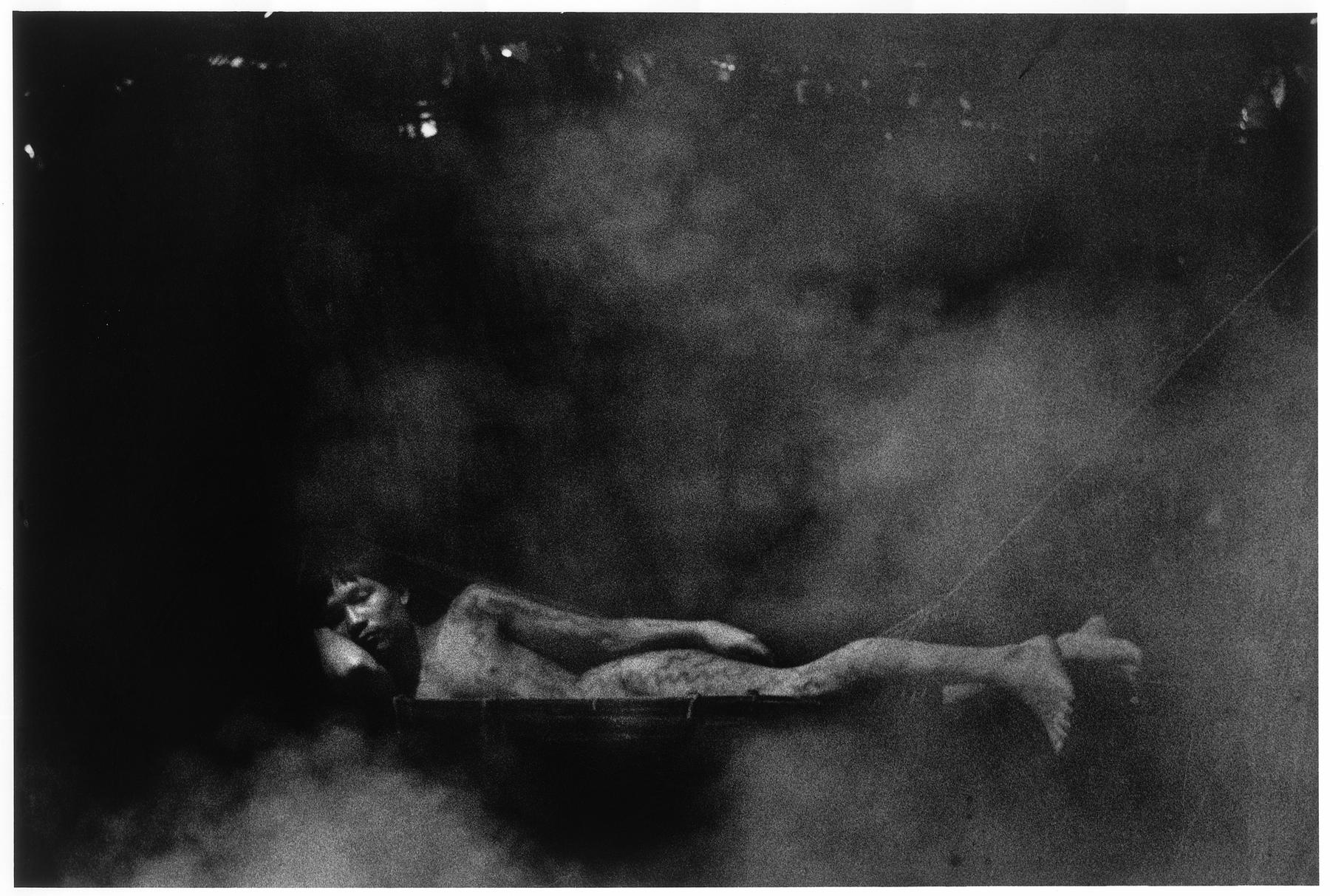
By communing with and controlling the xapiripë, the Yanomami shamans are not only protecting their own community, but looking after the rest of the world as well. Davi believes that many powerful shamans are needed to control the planet.
We, the shamans, also work for you, the whites, he says. Our shamans know that our planet is changing. We know the health of the Amazon. We know that it is dangerous to abuse nature, and that when you destroy the rainforest, you cut the arteries of the future and the world’s force just ebbs away.
The sky is full of smoke because our rainforest is being logged and burnt. The rains come late, the sun behaves in a strange way. The lungs of the sky are polluted. The world is ill. The forest will die if it is destroyed by the whites.
Where will we go when we have destroyed our world?
When the planet is silent, how will we learn?
© Claudia Andujar/Survival
The wisdom of the Yanomami xapiripë is ancient.
We have kept the words of our ancestors inside us for a long time, and we continue to pass them to our children, says Davi.
So the words of the spirits will never disappear.
And their story has no end.
© Claudia Andujar/Survival
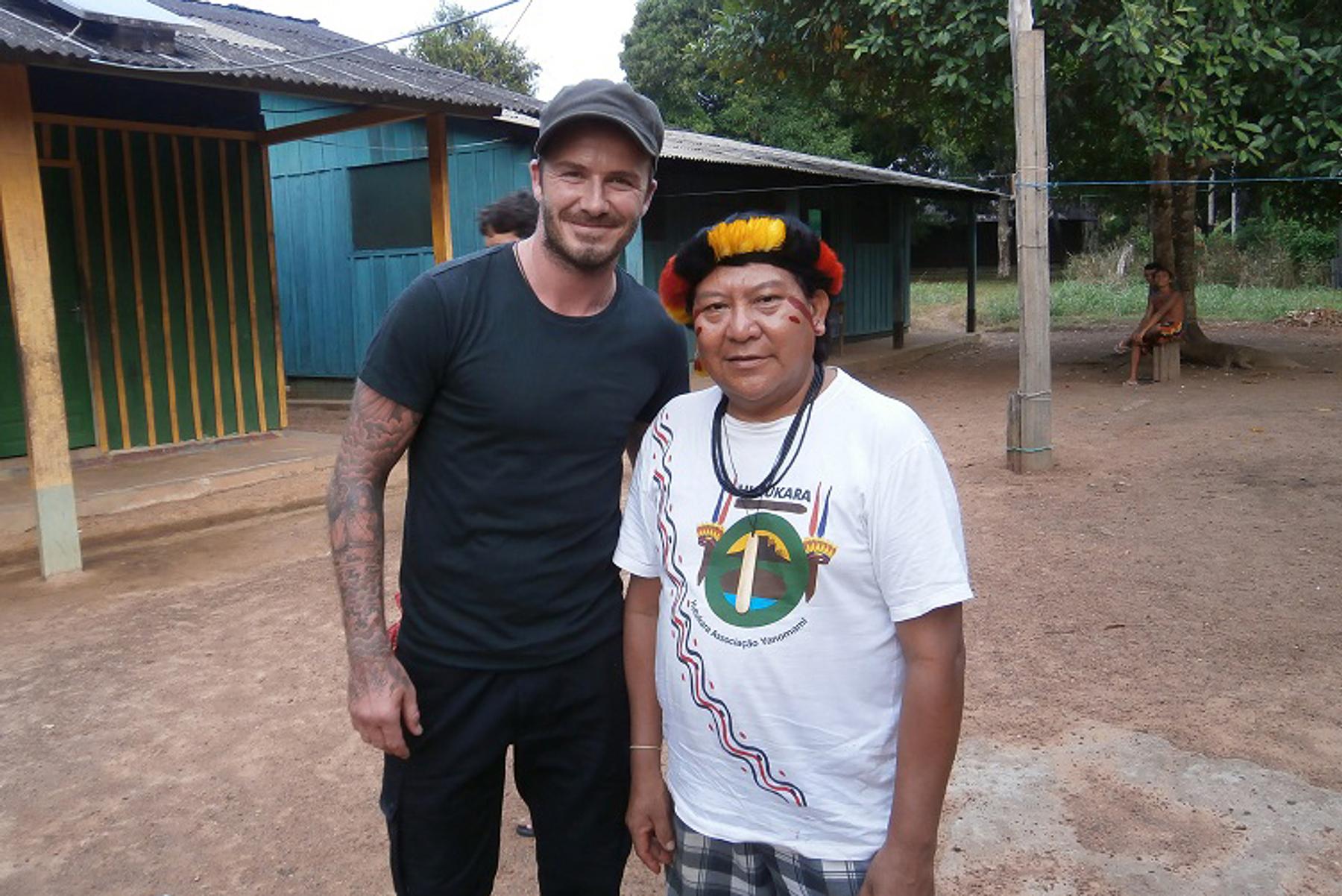
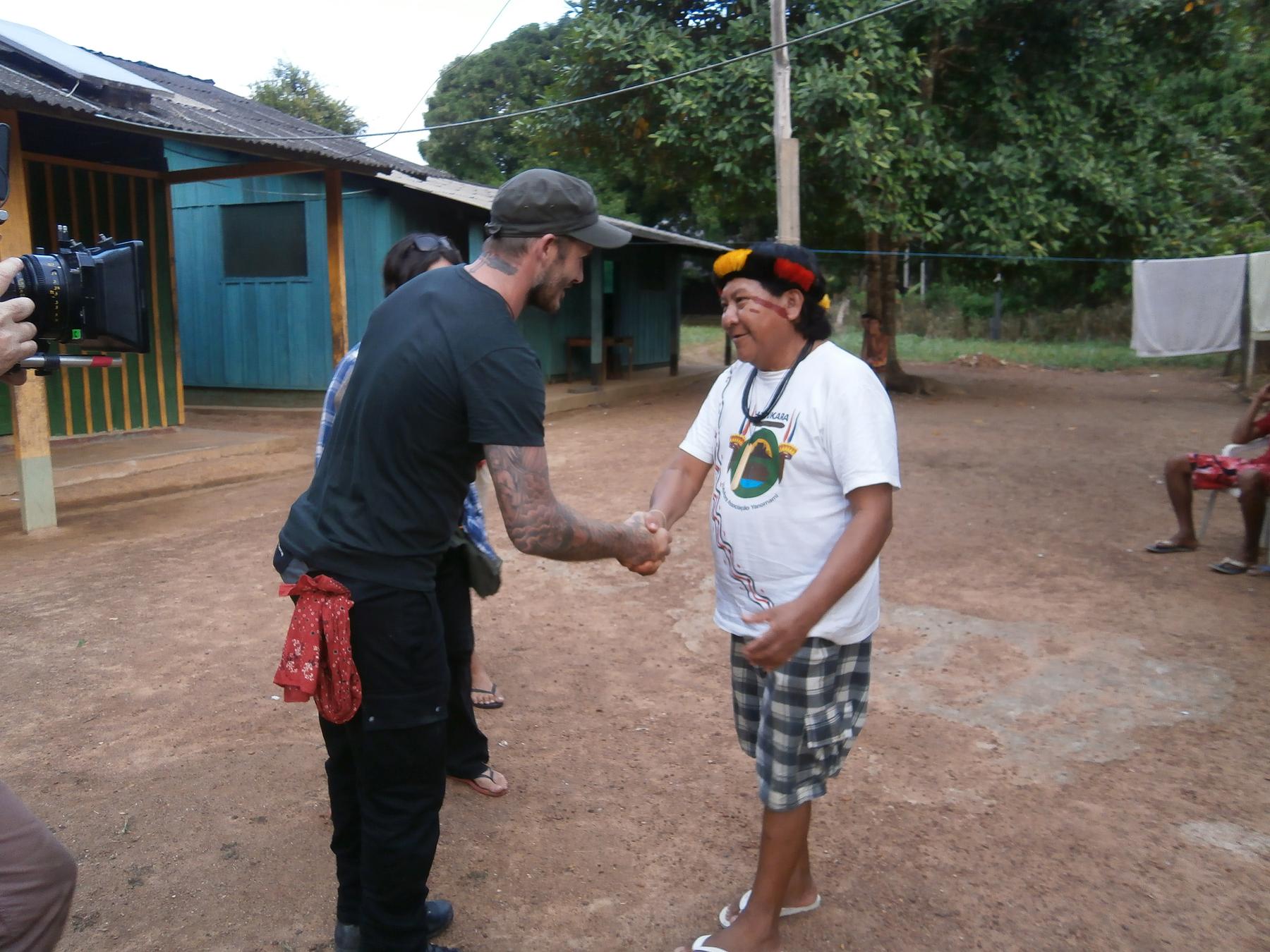
David Beckham met the Yanomami’s most prominent spokesperson Davi Kopenawa, known as the ‘Dalai Lama of the Rainforest’.
While filming a TV program in Brazil, Beckham visited the Yanomami territory and asked Davi Kopenawa for permission to enter the reserve. Beckham and Davi talked about the problems that the Yanomami face, especially the illegal gold-mining on their land.
© Nenzinho Soares
Davi Kopenawa is the first-ever Yanomami shaman to have published a book.
‘The Falling Sky: Words of a Yanomami Shaman’, written in collaboration with anthropologist and friend Bruce Albert, is a unique account of his life story: http://www.survivalinternational.org/films/falling-sky.
© Nenzinho Soares
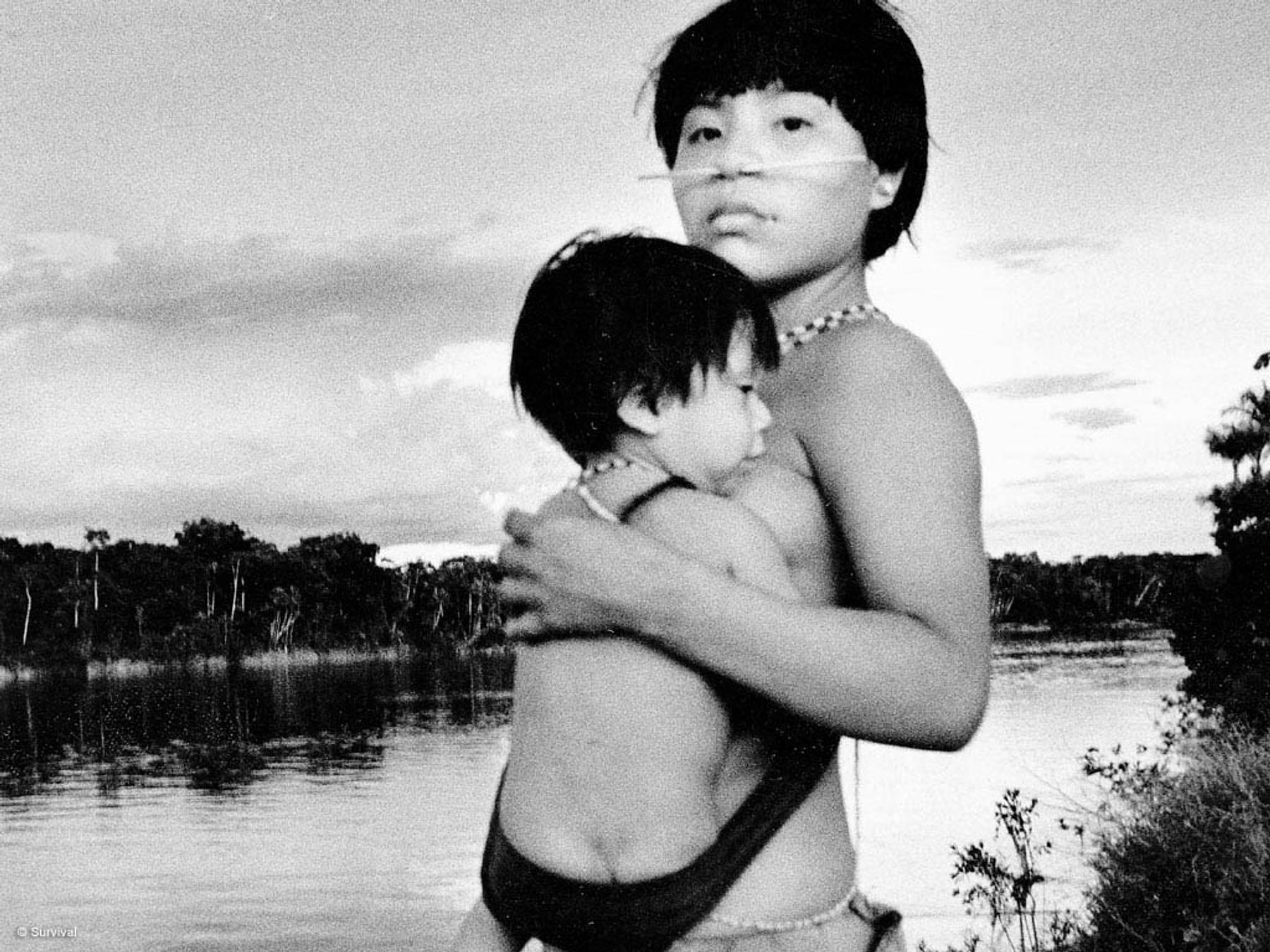
The Yanomami tribe of Brazil and Venezuela is one of the largest relatively isolated tribes in South America. Their territory spans 9.6 million hectares in Brazil and 8.2 million hectares in Venezuela. After a long campaign led by Yanomami spokesman Davi Kopenawa, Survival, the global movement for tribal people’s rights, and the Pro Yanomami Commission, their land in Brazil was demarcated.
Today, however, they still face many problems. Hundreds of gold-miners, particularly in Venezuela, are working illegally in the territories, and colonists and farmers are encroaching on the eastern border of the territory in Brazil. The invaders are transmitting deadly diseases such as malaria, which is affecting the Yanomami’s health. The uncontacted Yanomami are particularly vulnerable to imported illnesses; disease can quickly kill entire populations of uncontacted peoples following contact.
The Yanomami are the best conservationists of their part of the Amazon rainforest, which on the Venezuelan side is the second largest biosphere in the world, yet it is now being deforested and polluted with mercury.
And the Brazilian Congress is currently debating a bill which, if approved, will permit large-scale mining in indigenous territories such as the Yanomami’s.
© Steve Cox/Survival
Other galleries
“We, the People” 2020 Calendar
Discover a new tribal portrait each month with the Survival International “We...
“We, the People” 2019 - The 50th anniversary Calendar
Our “We, The People” 50th Anniversary Calendar features stunning portraits of...
"We, the People" 2018 Calendar
Discover a new tribal portrait each month with the Survival International "We...