This page was last updated in 2023 and may contain language which is now outdated.
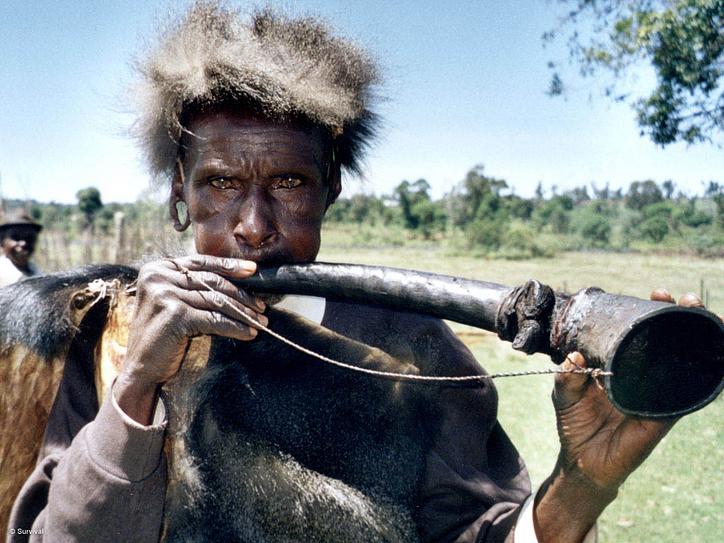
The Ogiek are one of the few remaining hunter-gatherer peoples of East Africa. Their home since time immemorial has been the Mau mountain forest, overlooking Kenya’s Rift Valley.
The Ogiek are hunter-gatherers – some in the deep forest live purely by hunting and gathering, while the majority grow vegetables and keep livestock also.
They have traditionally hunted such animals as antelope and wild pigs, which is now generally illegal.
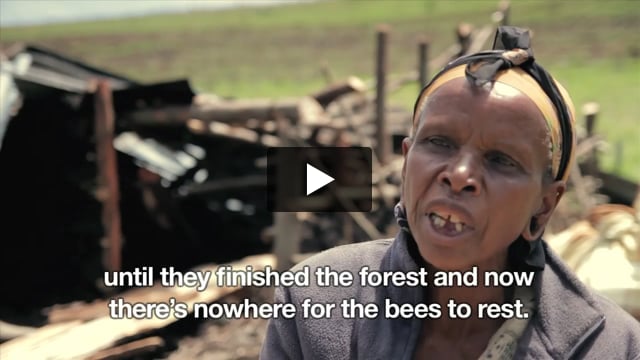
Ever since colonial times there have been attempts to evict the Ogiek from their ancestral forest, usually on the pretext that they are degrading it.
But when the Ogiek are removed, their forest is not protected but rather exploited by logging and tea plantations – some owned by government officials.
This influx of illegal settlers has been so extreme in recent years that much of the Mau forest is severely degraded.
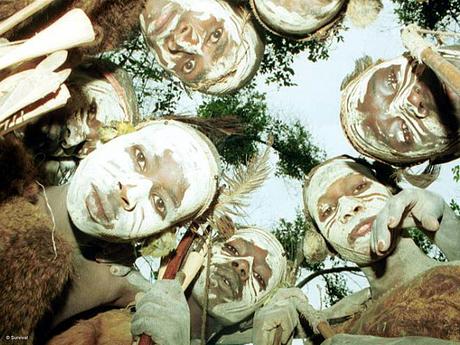
The Kenyan government is trying to evict everyone from the forest, including the Ogiek who have been living there for centuries.
If the Ogiek are evicted from their forest home it could spell disaster for the forest and for the Ogiek, who will become ‘conservation refugees’.
How can I help?
- Write a letter to the Kenyan government urging that the Ogiek be allowed to live on their land.
- Donate to Survival to help with this and other campaigns.
- Write a letter to your MP or MEP (UK).
- Write to the President, your senators, congressmen or other elected officials (US).
- Write to your local Kenyan high commission or embassy. You can find out the address on the Embassies Abroad website.
How does Survival help?
Survival is currently supporting the Ogiek’s struggle to prevent their forest being handed over to settlers and commercial interests, which would ensure its destruction and deprive the Ogiek of both their land and their livelihood.
Join the mailing list
There are more than 476 million Indigenous people living in more than 90 countries around the world. To Indigenous peoples, land is life. Find out more about them and the struggles they’re facing: sign up to our mailing list for occasional updates.
News from the Ogiek
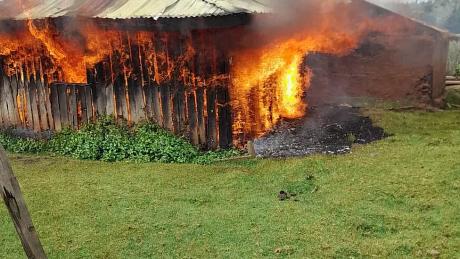
Kenya: Are carbon credits behind Ogiek evictions? NGOs release statement in run-up to COP28
Three leading human rights organizations have released a statement denouncing Kenya’s illegal evictions of the Ogiek people.
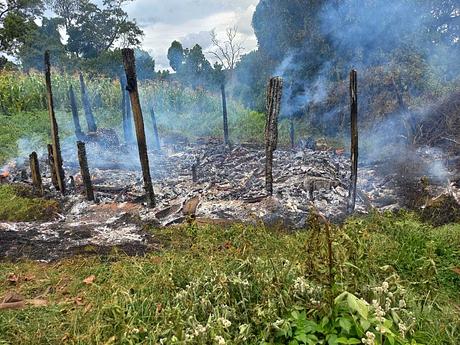
Kenya government illegally evicts Ogiek from their ancestral forests during King Charles’s state visit
Kenyan authorities are illegally evicting up to 700 Ogiek people from their homes in the name of conservation.
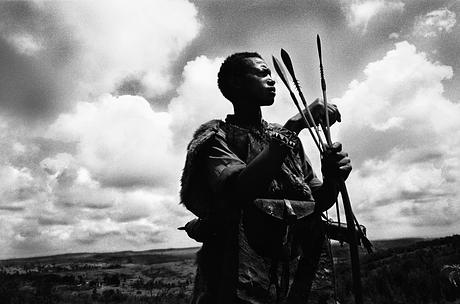
Kenya: Victory for Ogiek tribe in historic court ruling
Kenyan tribe win court battle for land rights after brutal evictions and harassment
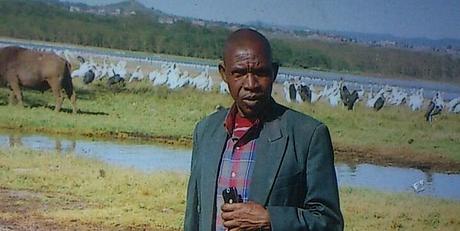
Ogiek hunter-gatherer shot dead as landgrabs escalate
Ogiek man Stephen Munyereri was allegedly shot dead by illegal settlers in full view of local police.
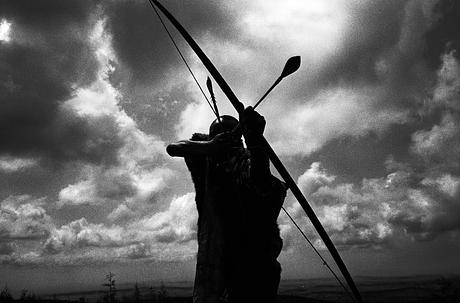
COP21: Ogiek hunter-gatherers urge Kenyan President to protect their forest
Ogiek hunter-gatherers living in one of Kenya's key carbon sinks call for help in defending their land
Kenyan hunter-gatherers await a historic court ruling
The Ogiek are the first Indigenous people to argue their case in the African Court on Human and Peoples' Rights.