This page was last updated in 2023 and may contain language which is now outdated.
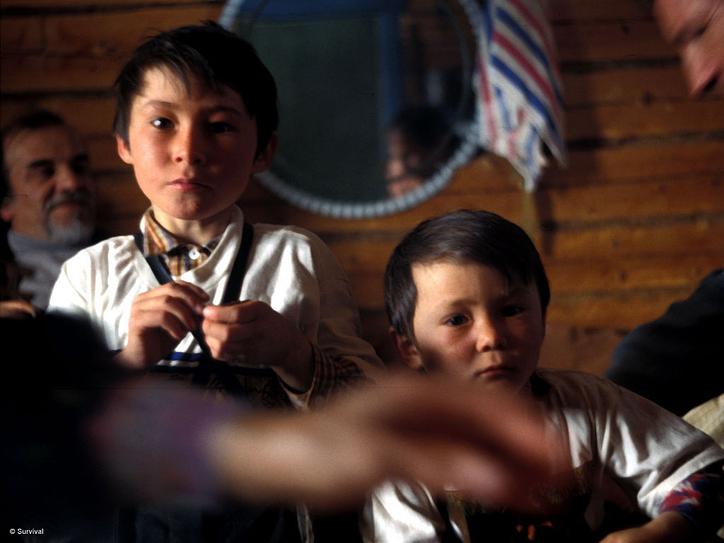
Siberia’s 30 different tribal peoples range in number from under 200 (the Oroks) to 34,000 (the Nenet). They live in an area that covers 58% of Russia.
How do they live?
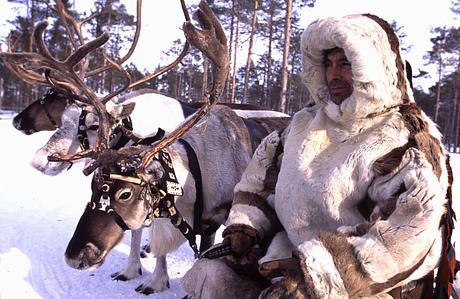
Some of these peoples are nomadic reindeer herders, living in the tundra (arctic plain); others, who live in the forest tundra or taiga (coniferous forest), rely on a mixture of reindeer herding and hunting and gathering, and often live in settlements.
Today fewer than 10% of Siberia’s tribal peoples live a nomadic or semi nomadic life, compared to 70% just 30 years ago. The languages the different tribes speak are from a range of linguistic families: some bear no similarity to any other language, and none bear any relation to Russian.
Some larger indigenous peoples, the Sakha (formerly called Yakuts) and Komi, have their own republics within the Russian state.
What problems do they face?
Under the Soviet administration, the tribal peoples lost their land to state-run industries. With industrialisation, their region was taken over by outsiders, and the authorities made strong efforts to suppress indigenous languages, culture and ways of life.
Today their biggest problems are the environmental degradation caused by the oil, gas and logging industries in the area, and the lack of clarity about land rights.
How can I help?
- Click here to donate to Survival.
- Click here to write a letter to your MP or MEP (UK).
- Click here to write to the President, your senators, congressmen or other elected officials (US).
- Write to your local Russian embassy, click here to find out the address.
How does Survival help?
Survival’s campaign calls for Russia’s tribal peoples to be consulted about industrial projects and given the right of veto, and given compensation where their land has already been destroyed.
We also support the call for Russia to ratify International Labour Organisation Convention 169 on the rights of indigenous and tribal peoples, and specifically for tribal land ownership rights to be recognised.
Join the mailing list
There are more than 476 million Indigenous people living in more than 90 countries around the world. To Indigenous peoples, land is life. Find out more about them and the struggles they’re facing: sign up to our mailing list for occasional updates.
News from the Siberian Tribes
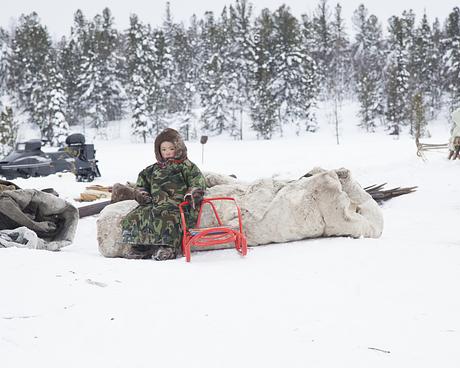
Russia shuts down Indigenous rights organisation
Russian court orders shut down of Russian Indigenous rights organisation, the Centre for Support of Indigenous Peoples of the North.
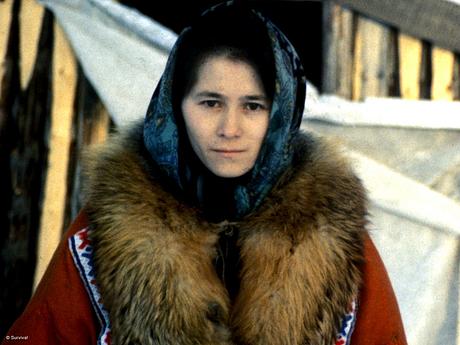
Reindeer herders take on Russian oil-giant as tribal rights in Siberia weakened
Izhemtsi people reject the takeover of their land by Russian oil company as tribal rights in Siberia are weakened.
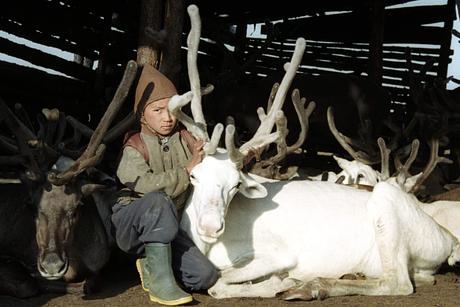
Success: Russia’s Indigenous organization reopens
RAIPON, the organization representing Russia’s Indigenous peoples, has been given permission to reopen.
Siberian Evenk Indigenous organization under attack
Masked gunmen raid the offices of a Siberian tribal community
Russian Indigenous peoples’ organization ordered to close
Ministry of Justice suspends NGO for six months
Chukchee author Yuri Rytkheu dies
The writer Yuri Rytkheu, from the Siberian Chukchee tribe, died in St. Petersburg last week. Rytkheu was known as the most significant Indigenous author in Russia.